If you’ve had a stubborn muscle knot that massage and stretching just won’t shift, there’s a good chance a physio has mentioned dry needling. It’s one of the most effective tools we have for releasing tight, painful muscles, but for something involving needles, it’s surprisingly misunderstood. This guide explains what dry needling actually is, how it works, what a session feels like, and how we use it here at Coogee Physio as part of getting you back to moving well.
What is dry needling?
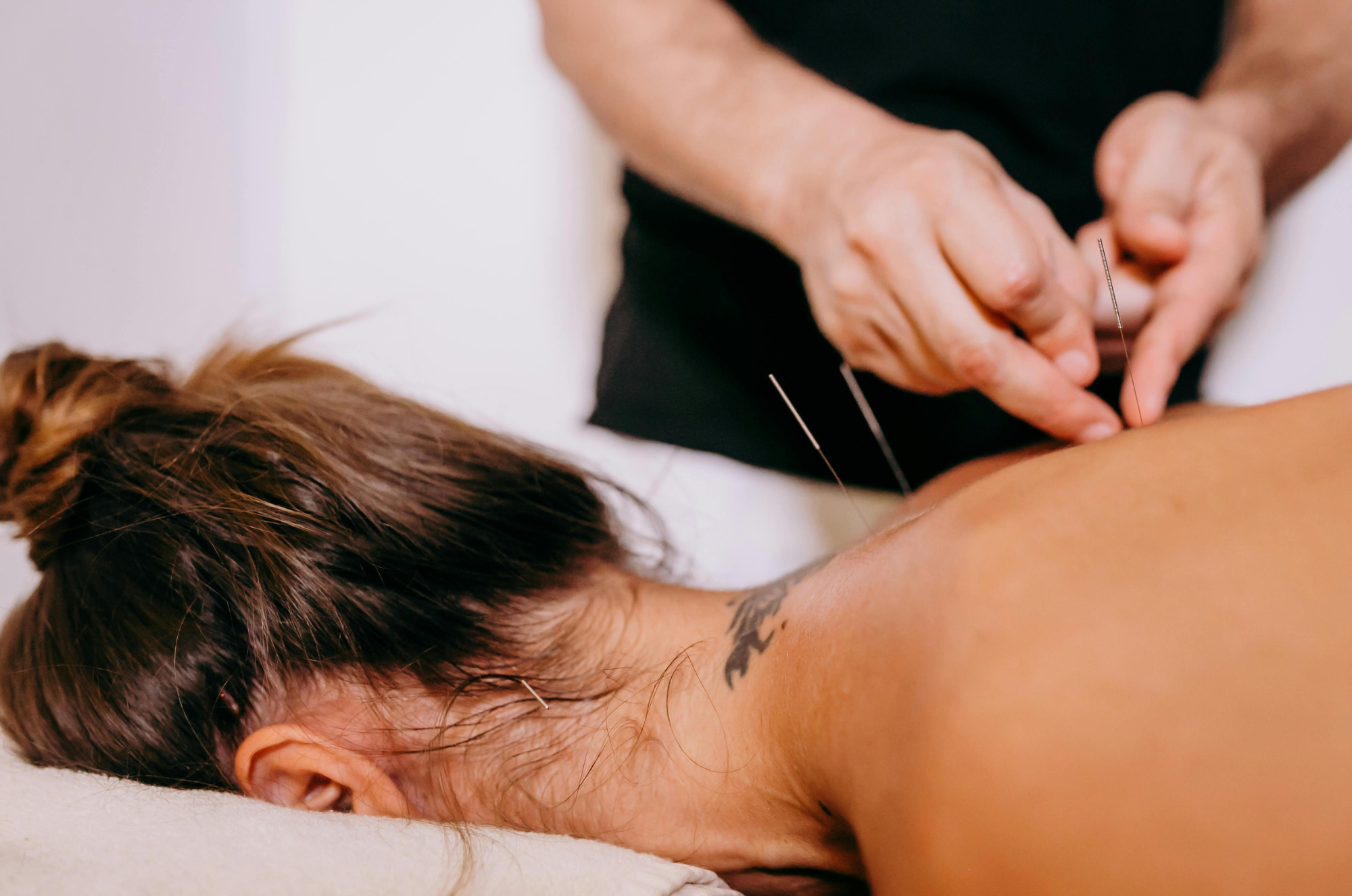
Dry needling is a treatment where a physiotherapist inserts very thin, sterile needles into tight bands of muscle called myofascial trigger points, the “knots” you can often feel as sore, ropey spots. The needles are solid and fine (the same type used in acupuncture), and nothing is injected. That’s where the name comes from: the needle is “dry” because no fluid or medication goes in. You may also hear it called trigger point dry needling or intramuscular stimulation.
The goal is simple: release the trigger point so the muscle can relax, blood flow improves, and pain settles, giving you back range of movement you’d lost to the tension.
How does dry needling work?
When a muscle is overworked or held tight for too long, a small patch of it can get stuck in what’s often described as an “energy crisis”, the fibres aren’t getting enough blood, oxygen or nutrients to return to their normal resting length. That patch becomes a trigger point: tender, tight, and sometimes the source of pain you feel somewhere else entirely (this is called referred pain, a trigger point in your shoulder can send pain up into your head, for instance).
Inserting a needle into that spot does a few useful things. It draws fresh blood flow back into the area to flush it out and relax the fibres. It can trigger a quick, involuntary muscle flick called a local twitch response, a good sign the muscle is responding. And the small stimulus prompts your nervous system to dial down local pain signals and release endorphins, your body’s own pain relief. The result, for many people, is looser muscle and less pain, sometimes within a session or two.
How physiotherapists use dry needling
Here’s the part most articles skip: dry needling is almost never a treatment on its own. It’s one tool inside a physiotherapy plan, and the plan is what actually fixes the problem.
The whole point of physio is to find why something hurts and restore normal, pain-free movement, not just to quieten symptoms for a day. So a physio uses dry needling for a specific reason and at a specific moment. First we assess you: what’s tight, what’s weak, how you move, and what’s driving the pain. If a trigger point is genuinely limiting you, say a locked-up calf that won’t let you push off when you run, or a tight neck muscle feeding your headaches, dry needling is a fast way to release it so we can get on with the real work: loading, strengthening and retraining the area so the problem doesn’t simply return.
In other words, needling creates a window. Strengthening and movement keep it open. That’s why we pair it with exercise, hands-on treatment and advice, rather than needling the same spot week after week and hoping it sticks.
What conditions and injuries does dry needling help?

Because trigger points show up almost anywhere, dry needling can help a wide range of musculoskeletal problems. Commonly we use it for:
-
- Neck and upper-back tension, including the kind that feeds tension headaches
-
- Shoulder pain and impingement
-
- Tennis elbow and other overuse injuries of the forearm
-
- Lower back pain and glute/piriformis tightness linked to sciatica-type symptoms
-
- Calf tightness, shin pain and other running niggles
-
- Plantar fasciitis and foot pain
-
- Jaw pain and TMJ problems
- Jaw pain and TMJ problems
If you’re active around Coogee, running the coastal walk and the stairs, surfing, ocean swimming or sitting at a desk all week, these are exactly the sorts of overload injuries we see most, and where dry needling often earns its place in the plan.
Does dry needling hurt? What a session feels like
Most people are surprised by how little they feel. The needles are so fine that you often won’t notice them going in. When the needle reaches a trigger point you might feel a brief cramp, ache or that quick twitch, it’s a strange sensation, but it passes in a second and it’s usually a sign the muscle is letting go.
Before the session, your physio will talk through your history and check you’re a good candidate. During it, you’ll be positioned comfortably and only the area being treated is exposed. Afterwards it’s common to feel a bit sore or heavy in the area, much like after a solid workout. That usually eases within a day or so, and we’ll often suggest gentle movement or stretching to help.
Dry needling vs acupuncture: what’s the difference?
They look similar and use the same fine needles, but they come from completely different places. Acupuncture is rooted in traditional Chinese medicine and works with points along the body’s “meridians” to balance energy, and it’s used for a broad range of health concerns. Dry needling is grounded in modern Western anatomy and physiology: your physio targets specific muscles and trigger points based on a physical assessment of your pain and movement, with the goal of releasing tissue and restoring function. Same tool, different map.
Dry needling vs remedial massage vs cupping: which is right for you?
Dry needling isn’t the only way to release tight muscle, and it isn’t always the best fit. Here’s how we think about it:
-
- Dry needling is precise and reaches deep trigger points that are hard to get to by hand, ideal for a specific, stubborn knot that’s limiting movement.
-
- Remedial massage works over broader areas and is great for general tension, relaxation and softening a whole region, and it’s a good option if you’re not comfortable with needles.
-
- Cupping lifts and decompresses tissue over a larger area and some people find it a gentler alternative for tightness and circulation.
- Cupping lifts and decompresses tissue over a larger area and some people find it a gentler alternative for tightness and circulation.
Often the answer is a combination, matched to what your body responds to. Part of a physio assessment is working out which one (or which mix) will get you the best result, you don’t have to decide that on your own.
Is dry needling safe? Risks and who should be cautious
Dry needling is very safe when it’s performed by a trained, registered practitioner using single-use sterile needles. Side effects are usually minor and short-lived: some soreness, the odd bit of bruising, occasionally feeling a little tired or light-headed afterwards (having eaten and staying hydrated helps). Serious complications are extremely rare.
It’s not right for everyone, though. Tell your physio if you’re pregnant, have a compromised immune system, are on blood-thinning medication, have a strong fear of needles, or have recently had surgery, in these cases we’ll either take extra care or choose a different approach. There’s an important safety note too: needling around the ribcage carries a very small risk to the lung, which is exactly why it should only ever be done by someone properly trained in the technique.
And is dry needling legal in Australia? Yes. Some people come across the phrase “why is dry needling illegal”, that debate largely comes from parts of the United States, where individual states set their own rules on which professions may perform it. In Australia, dry needling is legal and is performed by appropriately trained, registered health practitioners such as physiotherapists.
Aftercare: the next 24 to 48 hours
To get the most out of a session:
-
- Drink plenty of water to help flush the area
-
- Keep moving gently, light activity and stretching beat sitting still
-
- Use heat on the area if it feels tight; a warm shower is fine
-
- Expect mild soreness for a day or two, then it should settle
-
- Skip a hard workout on the treated muscle that same day
- Skip a hard workout on the treated muscle that same day
If anything feels off beyond ordinary soreness, get in touch with your physio.
How much does dry needling cost in Australia?
Dry needling usually isn’t billed as a separate treatment, at most clinics, including ours, it’s used within a standard physiotherapy consultation, so it’s covered by the cost of your appointment rather than charged as an add-on. If you have private health insurance with “extras” cover, a portion of a physiotherapy visit is often rebatable; how much depends on your fund and level of cover, so it’s worth checking your policy. If you’re not sure what applies to you, just ask us when you book and we’ll explain the fees clearly upfront.
What does the evidence say?
Honestly? Dry needling is well supported as part of a broader treatment plan, and the research base is still growing. Studies and professional bodies like the Australian Physiotherapy Association recognise it as a legitimate technique for musculoskeletal pain and trigger points, most effective when combined with exercise and manual therapy rather than used in isolation, which is exactly how we use it. We’ll always be upfront with you about what it can and can’t do for your particular problem.
Is dry needling right for you?
If you’ve got a persistent knot, a niggling injury, or pain that isn’t shifting with rest and stretching, dry needling might be a useful piece of the puzzle, but the real value is in the assessment around it, so you fix the cause rather than chasing the symptom. If you’d like to find out whether it’s a good fit, book an assessment with our team at Coogee Physio and we’ll give you an honest answer and a plan to get you moving again.
Frequently asked questions
Does dry needling actually work?
For many people, yes, particularly for releasing trigger points and improving movement, and especially when it’s paired with exercise and hands-on treatment as part of a physio plan. Results vary from person to person, which is why we assess first.
How long should you rest after dry needling?
There’s no need for full rest, gentle movement is encouraged. Just avoid a hard workout on the treated muscle for the rest of that day, and expect mild soreness for 24 to 48 hours.
Is dry needling the same as acupuncture?
No. They use similar needles but are based on different systems, acupuncture on traditional Chinese medicine and energy points, dry needling on Western anatomy and muscular trigger points.
How many sessions will I need?
It depends on the problem and how you respond. Some issues ease in one or two sessions; others form part of a longer plan. Your physio will map this out with you after the assessment.