
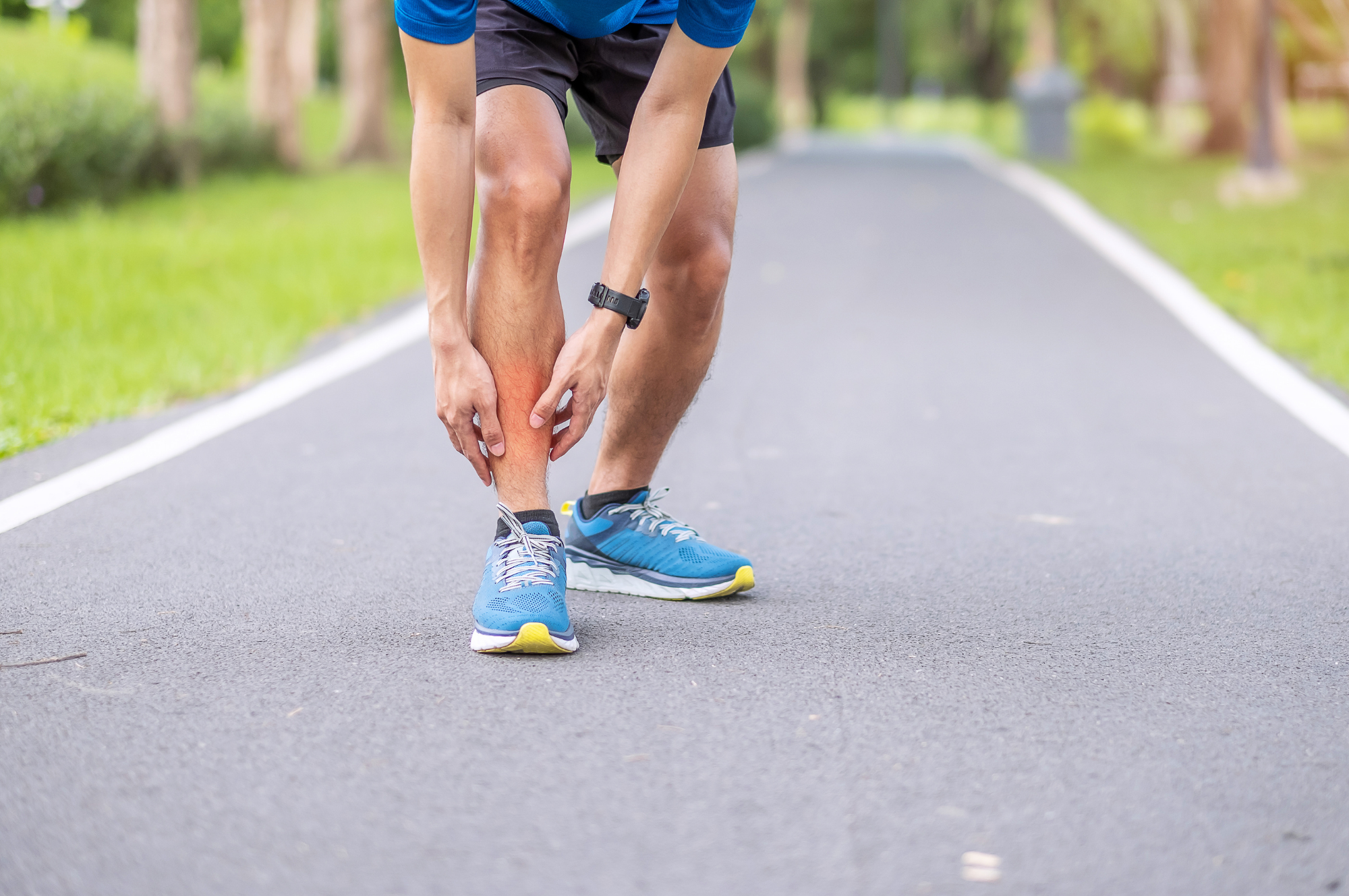
If you’ve felt an aching, tender pain along the inside of your shin after a run, especially after ramping up your training or pounding the pavement along the Coogee to Bondi track, there’s a good chance you’ve had shin splints. They’re one of the most common overuse injuries we see in active people, and the good news is they almost always settle with the right approach. The trick is treating the cause, not just resting until the pain fades and then running straight back into it. Here’s what shin splints actually are, how to tell them apart from something more serious, and how we treat them at Coogee Physio.
What are shin splints?
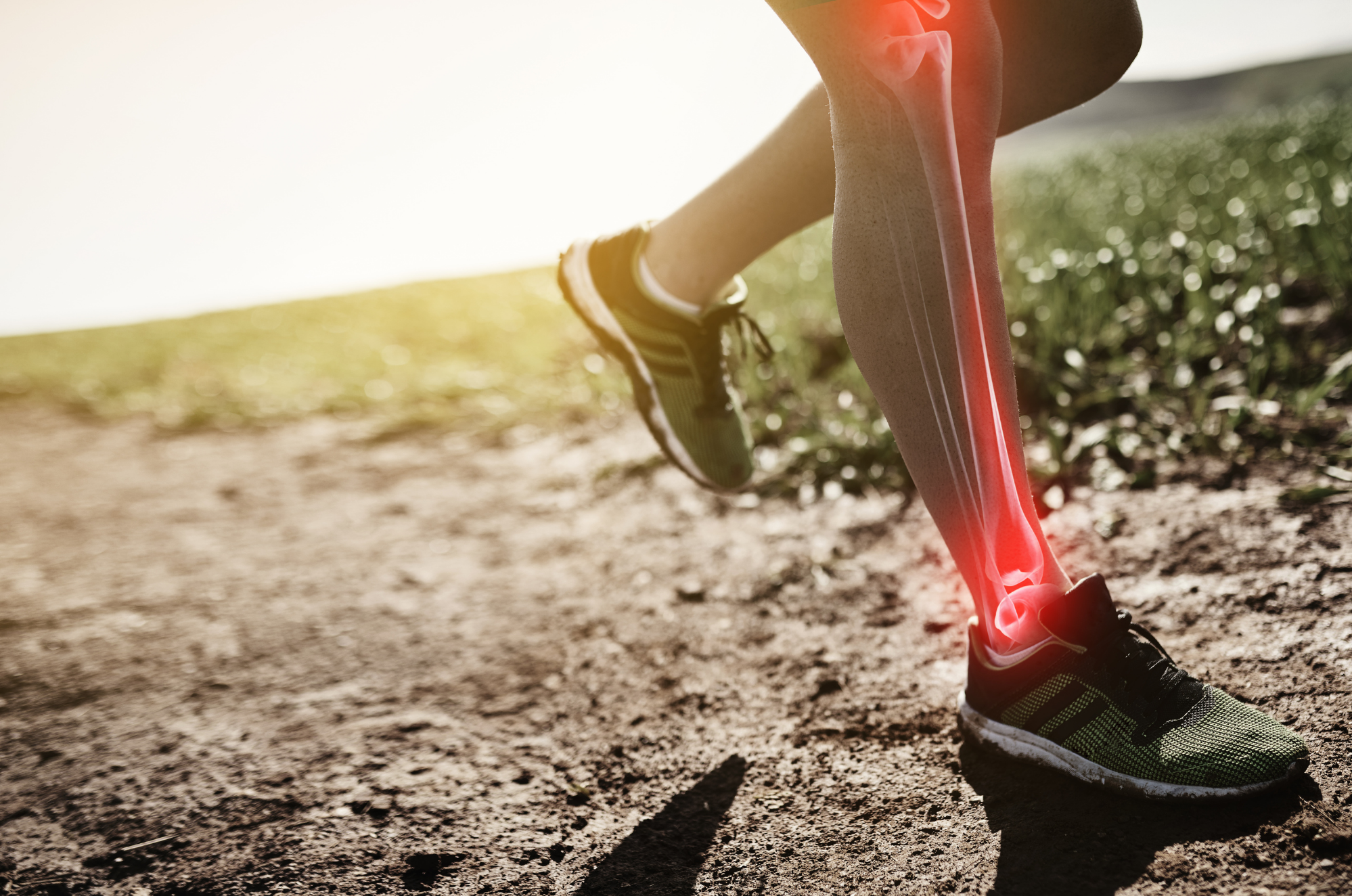
“Shin splints” is the everyday name for medial tibial stress syndrome (MTSS), pain along the shinbone (the tibia), usually on the inner edge of your lower leg where the muscles attach to the bone. It happens when repetitive load causes the muscles, tendons and the bone’s outer layer to become irritated and inflamed faster than your body can adapt to it.
The pain typically feels like a dull ache or tenderness spread along the inner shin. Early on it tends to come on during or after exercise and ease with rest. Left unchecked, it can progress to a sharper, more constant pain that lingers well after you’ve stopped, which is your body’s cue to take it seriously.
What causes shin splints?
Shin splints are fundamentally a load problem: you’ve asked your lower legs to do more than they’re currently conditioned for. That overload usually comes from a mix of:
- Doing too much, too soon: a sudden jump in how far, how often or how hard you’re running or training.
- Hard surfaces: lots of running on concrete and footpaths (the Eastern Beaches are full of them).
- Footwear: shoes that are worn out or don’t suit your foot.
- Foot and leg mechanics: flat feet or high, rigid arches that don’t absorb load well.
- Calf and lower-leg weakness: muscles that fatigue too early stop absorbing shock, so the stress goes into the bone.
- Running technique: a foot-strike or gait pattern that concentrates load on the shin.
Around Coogee we see some very specific triggers: repeatedly running the coastal-walk stairs, switching between road and soft-sand beach running (which loads the calves very differently), and jumping into a run straight after an ocean swim when the legs are cold. Any sharp change in your routine is a classic set-up for shin splints.
Shin splints or a stress fracture? A quick self-check
This matters, because a stress fracture is the more serious injury shin splints can turn into if you keep pushing through, and it needs different management. Use this as a guide, not a diagnosis:
- Shin splints tend to cause a diffuse ache spread along several centimetres of the inner shin, often sorest at the start of a run and easing as you warm up.
- A stress fracture tends to cause pinpoint pain over one small spot on the bone, pain that worsens as you continue, and sometimes pain at night or at rest.
- The hop test: hopping on the painful leg is usually manageable with shin splints but sharply painful with a stress fracture.
If your pain is pinpoint, getting worse, or bothering you at rest or overnight, stop running and get it assessed. A physio or doctor may arrange imaging, since stress fractures often don’t show on a plain X-ray early on.
How to get rid of shin splints
The aim is to calm the irritation down and fix what caused it, so it doesn’t simply return. What actually helps:
- Relative rest, not total rest. Back off the aggravating activity, but keep fit with low-impact options. Swimming, the bike or a pool session are ideal (and easy to come by around here).
- Ice the sore area for 15 to 20 minutes after activity to settle pain and swelling.
- Load management. Reduce your running volume to a level that doesn’t flare the pain, rather than stopping entirely and then rushing back.
- Sort out your footwear. Replace worn-out shoes and make sure they suit your foot; supportive shoes or orthotics can help if your arches are part of the picture.
- Start strengthening early. Calf and lower-leg strengthening (like calf raises) builds the capacity that was missing. This is the part most people skip, and it’s the part that keeps shin splints away.
- Pain relief can take the edge off; a pharmacist or GP can advise on what’s appropriate for you.
Simple cases often settle within a few weeks with this approach. If it’s not improving, that’s a sign something in the set-up still needs addressing.
How physiotherapy treats shin splints
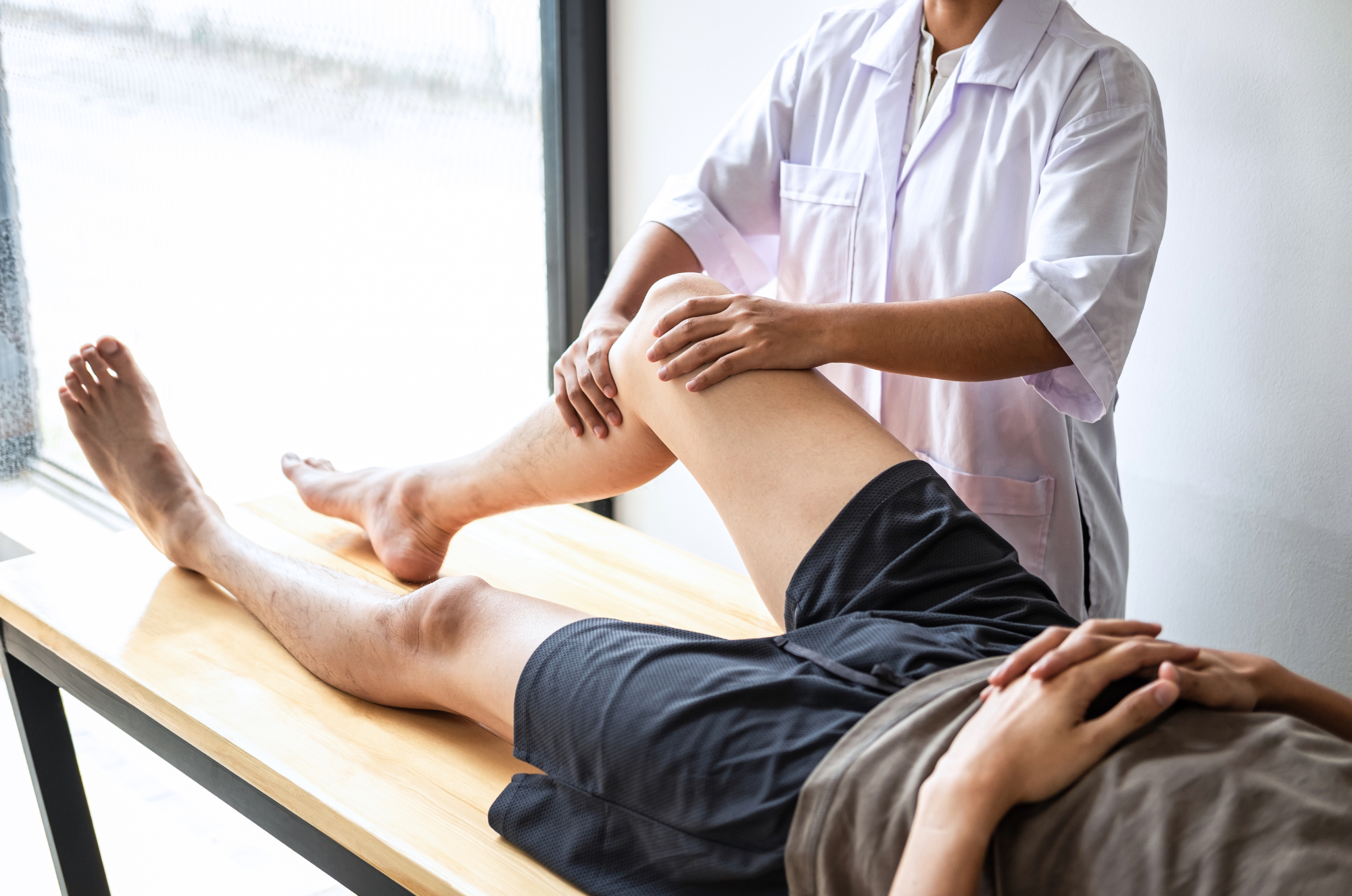
Here’s where a physio earns their keep: shin splints are a biomechanics-and-load problem, and rest alone doesn’t fix either. Resting takes the pain away, but the moment you run again on the same legs, the same surfaces, in the same shoes, with the same technique, it comes straight back.
When you see us for shin splints, we work out why yours happened. That means looking at your training history and recent load, testing your calf and lower-leg strength, assessing your foot posture and footwear, and, importantly, watching how you actually run. From there we build a plan: a graded loading program to rebuild the capacity your shins were missing, targeted strengthening, technique tweaks where they’ll help, and hands-on treatment such as dry needling or massage to settle tight, overworked calves along the way. The goal isn’t just a pain-free week, it’s getting you back to running and keeping you there.
A simple return-to-running plan
Once your pain has settled and you can walk and hop without symptoms, ease back in gradually rather than picking up where you left off:
- Start with a walk-run on a soft, flat surface, for example one minute running, one minute walking, for 20 minutes.
- Build time before speed or hills. Add a little total duration each session, staying under the pain.
- Follow the 10% rule: increase your weekly running by no more than about 10%.
- Keep the strength work going and take rest days between harder runs.
- Use pain as your guide: a mild niggle that settles quickly is okay; pain that builds or lingers means back off.
If pain returns at a particular step, drop back to the previous one for a week. A physio can tailor this progression to you and your goals.
How to stop shin splints coming back
Prevention is really just good training habits:
- Increase distance and intensity gradually, and respect the 10% rule.
- Replace running shoes regularly (roughly every 500 to 800 km) and match them to your feet.
- Mix up your surfaces and include softer ground where you can, rather than only concrete.
- Cross-train, swapping in a swim or ride to give your shins a break.
- Warm up before you run, and keep up your calf and lower-leg strength year-round.
How long do shin splints take to heal?
Most shin splints settle within about three to four weeks once you reduce the aggravating load and address the cause. Ignore them and keep training through the pain and they can drag on for months, or tip into a stress fracture, which takes considerably longer to heal. Treating them early is faster in the long run.
When to see a physio
Book an assessment if your shin pain isn’t improving after a couple of weeks of backing off, keeps returning every time you run, or has any of the stress-fracture warning signs above. The sooner we find the cause, the sooner you’re back out on the coastal track.
If that’s you, book an assessment with our team at Coogee Physio and we’ll get you a clear diagnosis and a plan to run pain-free again.

Frequently asked questions
Can I keep running with shin splints? Not through worsening pain. Short-term you should reduce or swap out running for low-impact exercise while the irritation settles; pushing through risks turning shin splints into a stress fracture.
How do I get rid of shin splints fast? There’s no instant fix, but the quickest route is relative rest from the aggravating activity, ice, sorting your footwear, and starting calf strengthening early, then a gradual return. Addressing the underlying cause is what prevents a frustrating cycle of flare-ups.
How can I tell shin splints from a stress fracture? Shin splints usually cause a diffuse ache along the inner shin that eases as you warm up; a stress fracture tends to be pinpoint pain that worsens with activity and may hurt at rest or at night. If in doubt, get it assessed.
Do orthotics help shin splints? They can, particularly if your foot posture is contributing to the load. They work best as one part of a plan that also includes strengthening and load management, not as a standalone fix.