

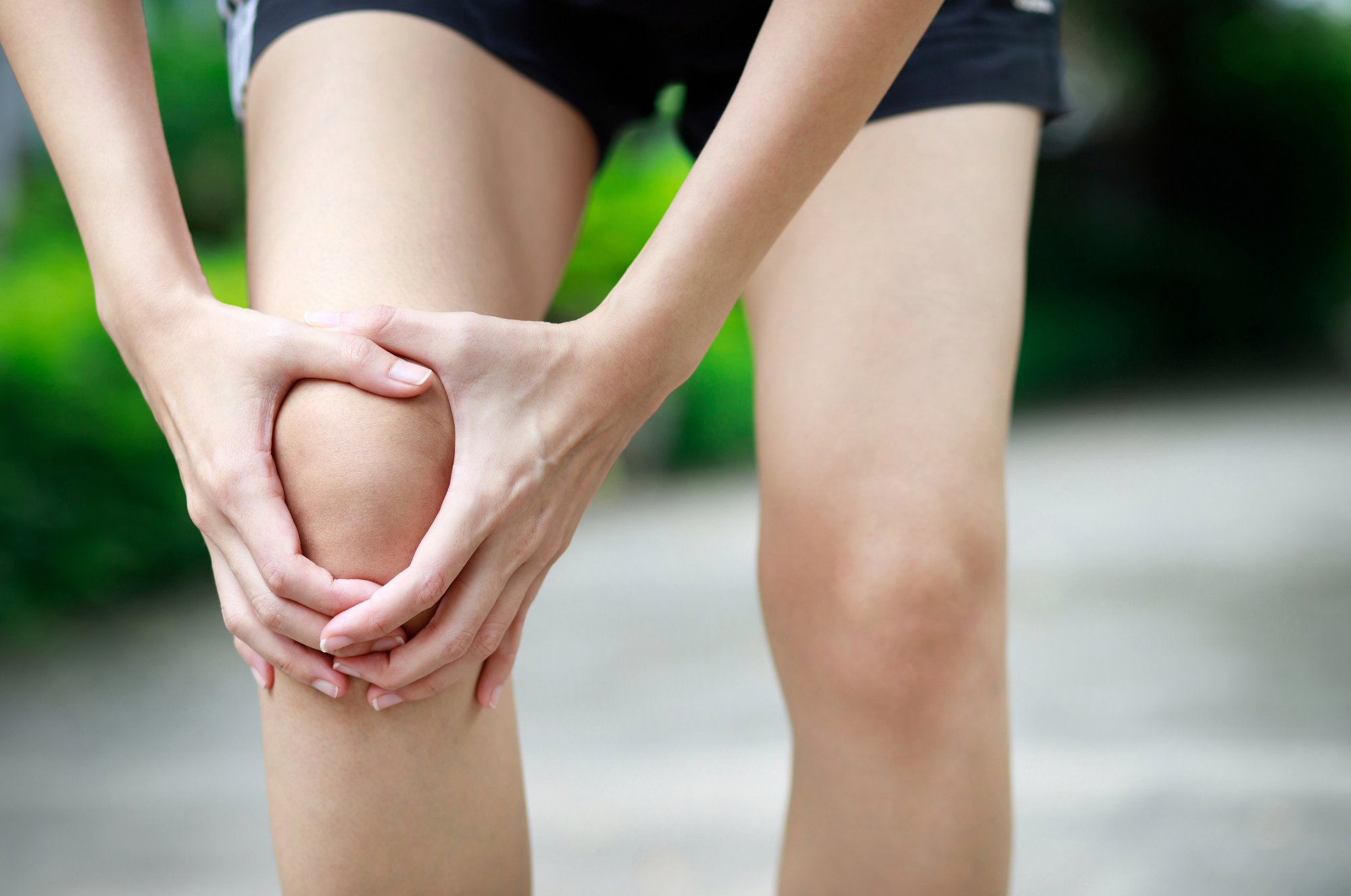
That dull ache around the front of your kneecap that flares up on a run — especially heading down the coastal-walk stairs or pushing up a hill — is very often “runner’s knee.” It’s one of the most common running complaints we see, and while it’s frustrating, it usually responds really well to the right plan. The catch is that the fix often isn’t where the pain is. Here’s what runner’s knee actually is, why it’s frequently a hip and load problem more than a knee problem, and how we treat it at Coogee Physio.
What is runner’s knee?
“Runner’s knee” is the common name for patellofemoral pain syndrome (PFPS) — pain at the joint between your kneecap (the patella) and your thigh bone (the femur). As you bend and straighten your knee, the kneecap glides in a groove at the end of the femur. This is called patella tracking. When everything moves and loads well, the joint absorbs the forces of running comfortably. When the load is too high, or the kneecap isn’t tracking cleanly, that joint surface gets irritated — and that’s the ache you feel.
Despite the name, it isn’t only runners who get it — cyclists, gym-goers and anyone doing a lot of stairs or squatting can too.
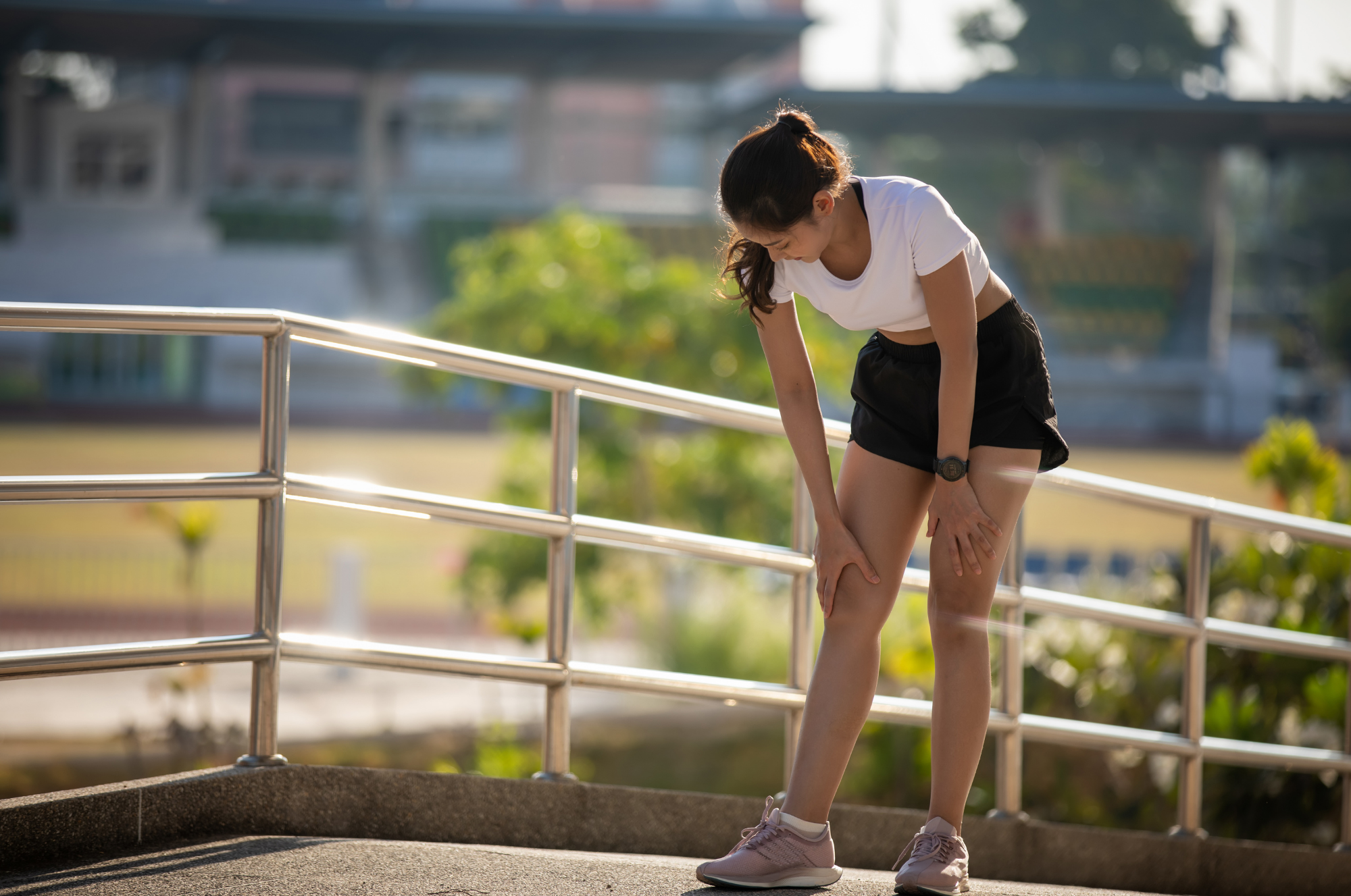
Where does runner’s knee hurt, and what does it feel like?
The pain is usually felt around or behind the kneecap, and it’s often hard to pin down to one exact spot — people tend to cup the whole front of the knee rather than point to it. Typical signs:
- Aches during or after running, especially downhill or down stairs.
- Worse with squatting, lunging, or going up and down stairs and hills.
- The “theatre sign” — a stiff, achy knee after sitting for a long time with the knee bent (a movie, a long drive, at your desk).
- Occasionally a grinding or clicking feeling behind the kneecap.
What causes runner’s knee — and why it’s usually not really the knee
Runner’s knee is almost always a load problem plus a control problem, and the control usually comes from higher up the chain:
- Doing too much, too soon. A jump in your running distance, speed, or hills/stairs is the single most common trigger — the joint hasn’t had time to adapt to the new load.
- Weak or under-active glutes. Here’s the key insight most people miss: your glutes control how your thigh bone rotates. When they’re not doing their job, the knee tends to collapse inwards as you land — a pattern called knee valgus — which changes how the kneecap tracks and dumps extra load onto the joint. So the pain shows up at the knee, but the cause often sits at the hip.
- Patella tracking. Muscle tightness, weakness, or the way your leg is built can nudge the kneecap off its ideal path.
- Foot mechanics and footwear. How your foot loads, and worn-out or unsuitable shoes, can feed into it too.
Around Coogee, the classic set-ups are the coastal-walk stairs, hilly routes, and ramping up training too quickly for an event — all of which load the kneecap hard, especially with the knee bent.
Can you keep running with runner’s knee?
Often, yes — but usually at a reduced load rather than pushing through. The rule of thumb we use: mild discomfort that settles quickly and doesn’t get worse the next day is generally okay; pain that climbs during the run, makes you limp, or lingers into the following day means you’ve done too much. Cutting back the volume, easing off hills and stairs for a while, and sometimes taping the knee (see below) lets most people keep ticking over while things settle. Total rest is rarely necessary and often isn’t the answer, because it doesn’t fix the underlying cause.
How to fix runner’s knee
The evidence here is refreshingly clear — strength plus load management does the heavy lifting:
- Manage the load first. Dial your running back to a level that doesn’t flare the knee, and temporarily reduce the hills, stairs and downhill running that aggravate it.
- Strengthen your glutes and Research consistently shows that strengthening both works better than either alone. Quads strength reduces the load through the kneecap; glute strength controls that inward knee collapse. This is the core of getting better and staying better.
- Retrain how you move. Getting stronger isn’t enough on its own — you have to teach your body to use that strength when you run. This is where running technique and gait retraining come in.
- Sort footwear if it’s contributing.
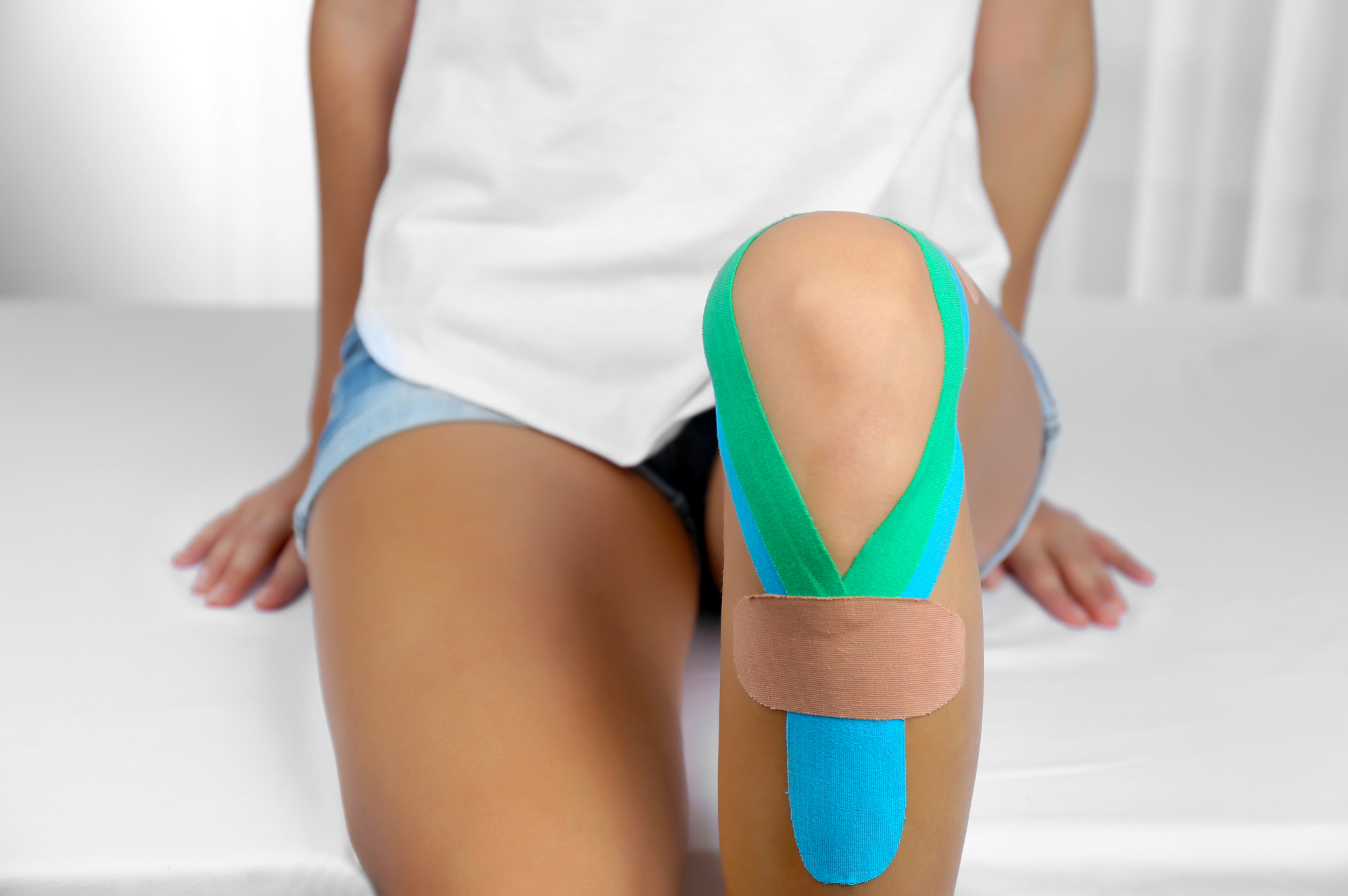
- Taping can give short-term relief so you can keep moving while the strength work takes effect.
How physiotherapy treats runner’s knee
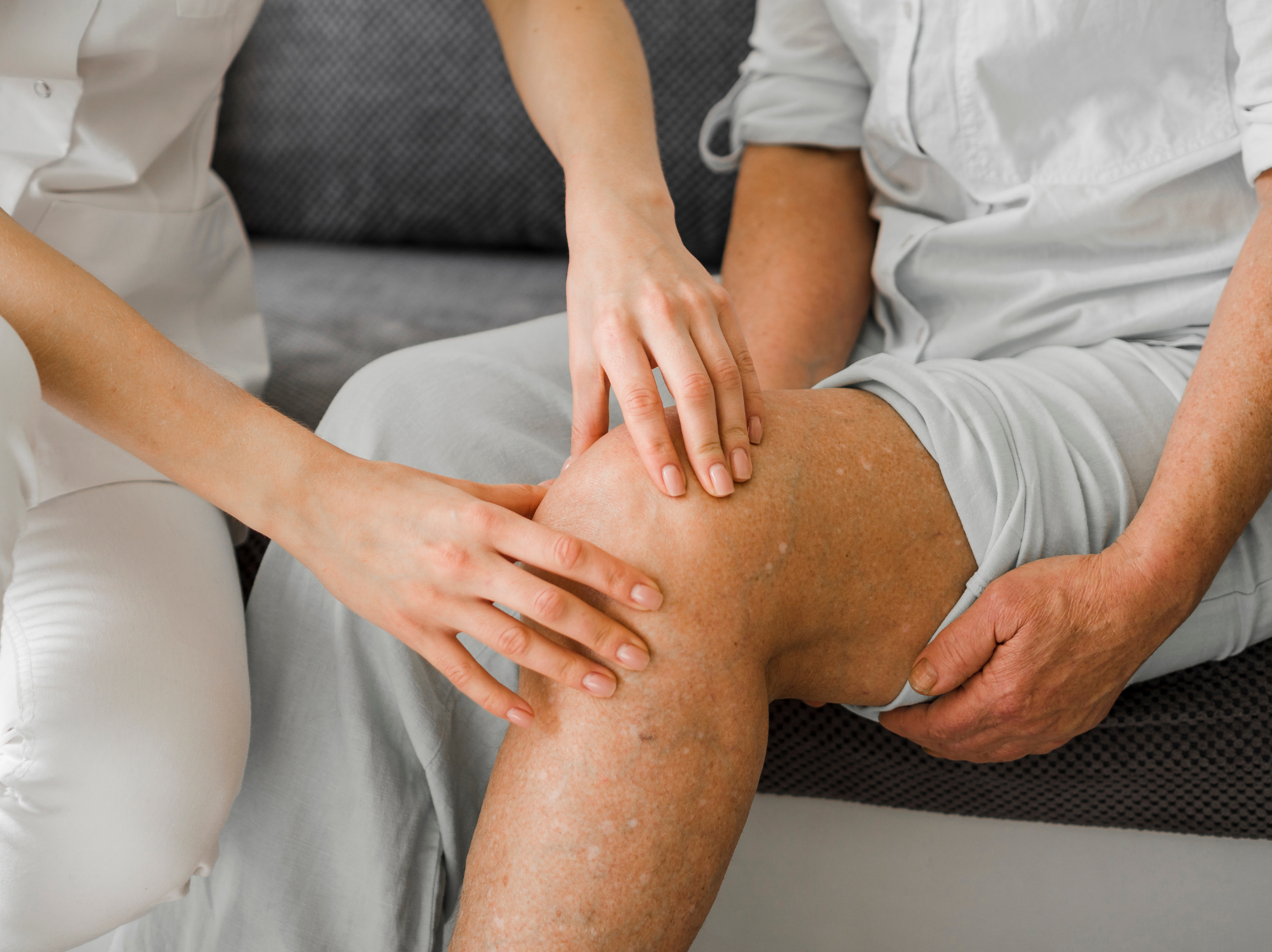
This is exactly the kind of problem physio is built for, because fixing it means finding the driver, not just calming the knee. When you come in, we assess your hip and knee strength, watch how your knee behaves when you squat, step down and land, and — ideally — look at your actual running. From there we build a plan: a progressive glute-and-quad strengthening program, running and technique retraining to stop that valgus collapse, load guidance so you know exactly how much to run each week, and hands-on treatment such as dry needling or massage to settle tight quads or outer-thigh tissue along the way. If you’ve also battled shin splints, you’ll notice the theme — same root causes (load and lower-limb control), same fix philosophy.
A starter set of exercises
These are a sensible starting point for most people (ease off anything that sharply aggravates the knee, and get a tailored program if it’s not improving):
- Glute bridges — build the glutes that control your hip.
- Side-lying leg raises or clams — target the side glutes that stop the knee caving in.
- Step-downs — slow, controlled step-downs off a low step, keeping the kneecap tracking over the middle toes (not letting the knee drift inward).
- Sit-to-stand or supported squats to comfortable depth — build quad strength without loading into painful range.
Quality beats quantity: controlled reps with good knee alignment matter more than big numbers.
How to tape a runner’s knee
Taping won’t fix the cause, but it can ease pain enough to keep you moving while you build strength. A simple approach many physios use:
- Sit with your knee straight and relaxed, skin clean and dry.
- Take a strip of rigid sports tape and anchor it on the outer edge of your kneecap.
- Gently glide the kneecap inward (toward the other leg) with your fingers, then lay the tape across the top of the kneecap and anchor it on the inner side of your knee, holding that inward position.
- Smooth it down. You should feel supported, not pinched — no numbness, tingling or colour change in the lower leg.
- Remove it if it’s uncomfortable, and don’t rely on it long-term — it’s a bridge, not a cure.
If you’re not sure you’ve got it right, your physio can show you the technique that suits your knee (and check the taping is actually helping rather than just adding load).
How to stop runner’s knee coming back
- Build up running gradually — the 10% rule (no more than ~10% more per week) is a good guide.
- Keep up glute and quad strength work year-round, not just when you’re sore.
- Introduce hills and stairs progressively rather than all at once.
- Replace worn running shoes and match them to your feet.
- Listen to early niggles instead of running through them.
How long does runner’s knee take to heal?
Many people feel meaningfully better within a few weeks of load management and starting strength work, though building the strength and movement changes that keep it away typically takes a couple of months. It’s also worth treating early — there’s evidence linking ongoing, unmanaged patellofemoral pain to knee issues later in life, so sorting it properly now is an investment, not just short-term relief.
When to see a physio
Get it assessed if your knee pain keeps returning whenever you run, isn’t improving after a couple of weeks of backing off, locks or gives way, or is significantly swollen — those last ones can point to something other than simple runner’s knee.
If that sounds like you, book an assessment with our team at Coogee Physio and we’ll pinpoint what’s driving it and get you back on the coastal track.
Frequently asked questions
Can I run with runner’s knee? Often yes, at a reduced load — mild discomfort that settles quickly is usually fine, but pain that worsens during the run or lingers the next day means ease back. Taping and cutting hills/stairs can help you keep ticking over.
How do I fix runner’s knee? Manage your running load and strengthen your glutes and quads — that combination has the best evidence. Adding technique retraining and, if needed, taping and hands-on treatment rounds it out. Addressing the hip and load, not just the knee, is what prevents it returning.
Does taping a runner’s knee actually work? It can give useful short-term pain relief that lets you keep moving and strengthening, but it doesn’t fix the cause on its own. Think of it as a bridge while the strength work does the real job.
Is runner’s knee serious? It’s usually not dangerous and responds well to treatment, but ignoring it long-term isn’t ideal — persistent patellofemoral pain is linked to knee problems later on, so it’s worth managing properly.