


If your shoulder has slowly become painful and stiff, and reaching behind your back, up to a shelf or across to your seatbelt now feels blocked, you may be dealing with a frozen shoulder. It’s a frustrating problem. It comes on gradually, aches badly at night, and runs for far longer than people expect. The good news is it almost always settles in the end, and the right approach at the right stage can make that journey shorter and a lot less painful. Here’s what frozen shoulder actually is, how to recognise the stage you’re in, safe exercises to start with, and how we treat it at Coogee Physio.
What is a frozen shoulder?
“Frozen shoulder” is the everyday name for adhesive capsulitis. Your shoulder joint sits inside a sleeve of connective tissue called the joint capsule. In a frozen shoulder, that capsule becomes inflamed, thickened and tight, and bands of scar-like tissue (adhesions) form, effectively shrink-wrapping the joint. That’s why the shoulder becomes both painful and genuinely stuck: the movement is physically restricted, not just guarded because it hurts.
It’s reasonably common, affecting an estimated 2 to 5% of people, and most often appears between the ages of 40 and 60. The classic pattern is a shoulder that gets sorer and stiffer over weeks to months, plateaus, then slowly frees up again.
What does a frozen shoulder feel like? Symptoms to look for

The hallmark of frozen shoulder is the combination of pain and progressive stiffness in one shoulder. Typical signs include:
- A deep, dull ache in the shoulder, often spreading down the upper arm.
- Pain that’s frequently worse at night and can make lying on that side difficult.
- A steady loss of range of movement. Reaching overhead, out to the side, or behind your back (doing up a bra, reaching a back pocket, tucking in a shirt) becomes limited.
- Stiffness whether you move the arm or someone else moves it for you. This “restricted in every direction” pattern is part of what sets frozen shoulder apart from other shoulder problems.
Because it comes on gradually, plenty of people push through the early aches for weeks before realising how much movement they’ve lost.
The three stages of frozen shoulder (and rough timeframes)
Frozen shoulder is usually described in three overlapping stages. The timings vary a lot from person to person, so treat these as a guide rather than a stopwatch.
1. Freezing (the painful stage). Pain builds and gradually worsens, often worst at night, and the shoulder starts to stiffen. This stage commonly lasts about 6 weeks to 9 months. It’s the most irritable phase, and, as we’ll explain, the one where forcing movement tends to backfire.
2. Frozen (the stiff stage). The pain often eases somewhat, but stiffness takes over and everyday movements stay restricted. This stage typically runs around 4 to 12 months.
3. Thawing (the recovery stage). Movement gradually returns and pain continues to settle. Thawing can take about 6 months to 2 years.
How long does a frozen shoulder last?
Honestly? Longer than most people would like. Left to run its natural course, a frozen shoulder often takes between 1 and 3 years to resolve from start to finish. Most people get most or all of their movement back, though a minority are left with some lasting stiffness. That long timeline is exactly why getting the right guidance early matters. Good management can reduce your pain, protect your movement, and stop you making things worse along the way.
What causes a frozen shoulder, and who’s most at risk?
Here’s the frustrating part: in many cases there’s no obvious trigger at all, it simply comes on. The underlying process is inflammation and thickening of the joint capsule, but exactly why that starts often isn’t clear. What we do know is that certain things make it more likely:
- Age and sex. Most common between 40 and 60, and somewhat more common in women than men.
- Diabetes. One of the strongest links. People with diabetes are considerably more likely to develop frozen shoulder, and it can be more stubborn to treat. Estimates suggest 10 to 20% are affected at some point.
- Thyroid disease. Both an over- and under-active thyroid raise the risk.
- A period of shoulder immobilisation. It can follow a spell where the shoulder hasn’t moved much, after a fracture, surgery, injury, or time in a sling. That’s a big reason we encourage sensible, guided movement after any shoulder injury rather than complete rest.
- Other health conditions. Parkinson’s disease and cardiovascular disease are also linked.
Is there a menopause link?
It’s a reasonable question. Frozen shoulder peaks in exactly the age band when many women go through perimenopause and menopause. Oestrogen helps keep connective tissue like the joint capsule healthy, so a hormonal contribution is a plausible and actively researched idea. There appears to be an association, but the science isn’t settled, so menopause is best thought of as one possible piece of the picture rather than a proven cause. If your shoulder has frozen around this time, it’s worth mentioning to your GP.
Frozen shoulder exercises: a safe starter set

Movement matters with a frozen shoulder, but how much and how hard depends heavily on your stage. The single most important rule: don’t force it, especially in the painful freezing stage. Cranking a hot, irritable shoulder into range tends to flare the pain and can drag the whole process out. Aim for gentle, frequent movement into a mild stretch, never into sharp pain.
A sensible place to start:
- Pendulum swings. Lean forward, let the sore arm hang relaxed, and gently swing it in small circles and back-and-forth, letting gravity do the work. A classic first exercise because it moves the joint without you hauling on it.
- Assisted range work. Lying on your back, use your good arm (or a broom handle held in both hands) to gently guide the sore arm up and out to a comfortable stretch, then back.
- Cross-body reach. Support the sore arm at the elbow with your good hand and gently draw it across your chest to a mild stretch.
- Wall or finger walks. Face a wall and slowly “walk” your fingers up it, easing the shoulder a little higher over time, without pushing into pain.
Little and often beats one big session. In the later frozen and thawing stages, once things are less irritable, gradually progressing into stretching and some strengthening work becomes important to rebuild the movement and control you’ve lost. If you’re not sure which stage you’re in, get it checked before you load it up. The wrong exercise at the wrong stage is a common way people set themselves back.
Frozen shoulder treatment options (an honest rundown)
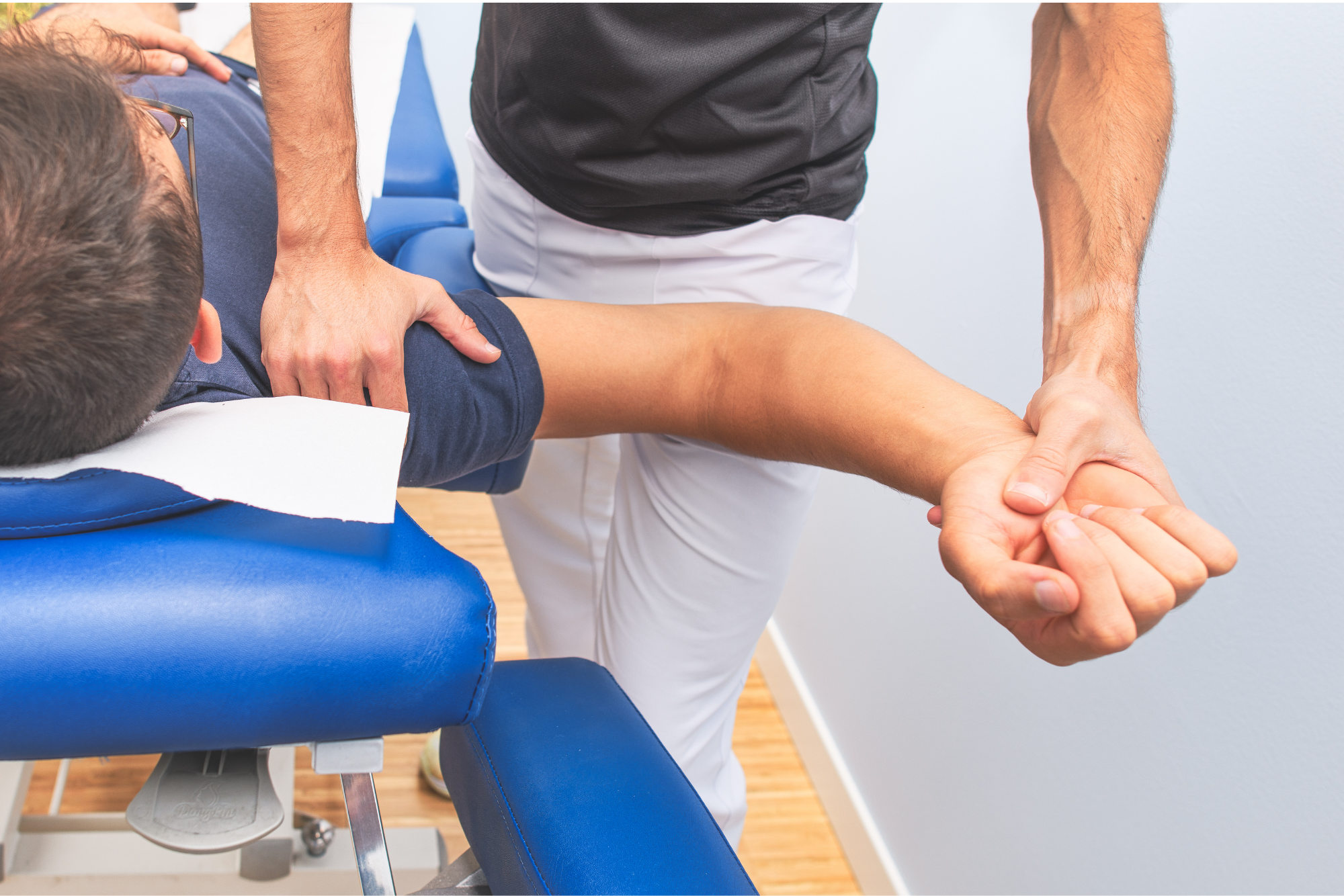
There’s no single magic fix, and part of good care is being upfront about what each option can and can’t do:
- Physiotherapy and exercise. The mainstay of conservative treatment. Stage-appropriate mobility, stretching, strengthening and hands-on techniques, plus guidance on what to do and avoid. Most people improve without surgery.
- Pain relief and anti-inflammatories. Simple pain management (as advised by your GP or pharmacist) can help you sleep and stay active, particularly through the painful stage.
- Corticosteroid injection. An injection into the joint can reduce pain and inflammation, and is often most useful in the earlier, painful stage. It’s a symptom-settler that helps you get moving, not a standalone cure.
- Hydrodilatation. Fluid is injected into the joint to gently stretch and expand the tight capsule, sometimes combined with a steroid. It can help improve movement in some people.
- Surgery. A last resort for stubborn cases that haven’t responded to months of other treatment, typically manipulation under anaesthetic or arthroscopic capsular release. Most people never need it.
Which of these suits you depends on your stage, your pain, your general health and how things are progressing. It’s a conversation, not a one-size-fits-all script.
How physiotherapy treats a frozen shoulder
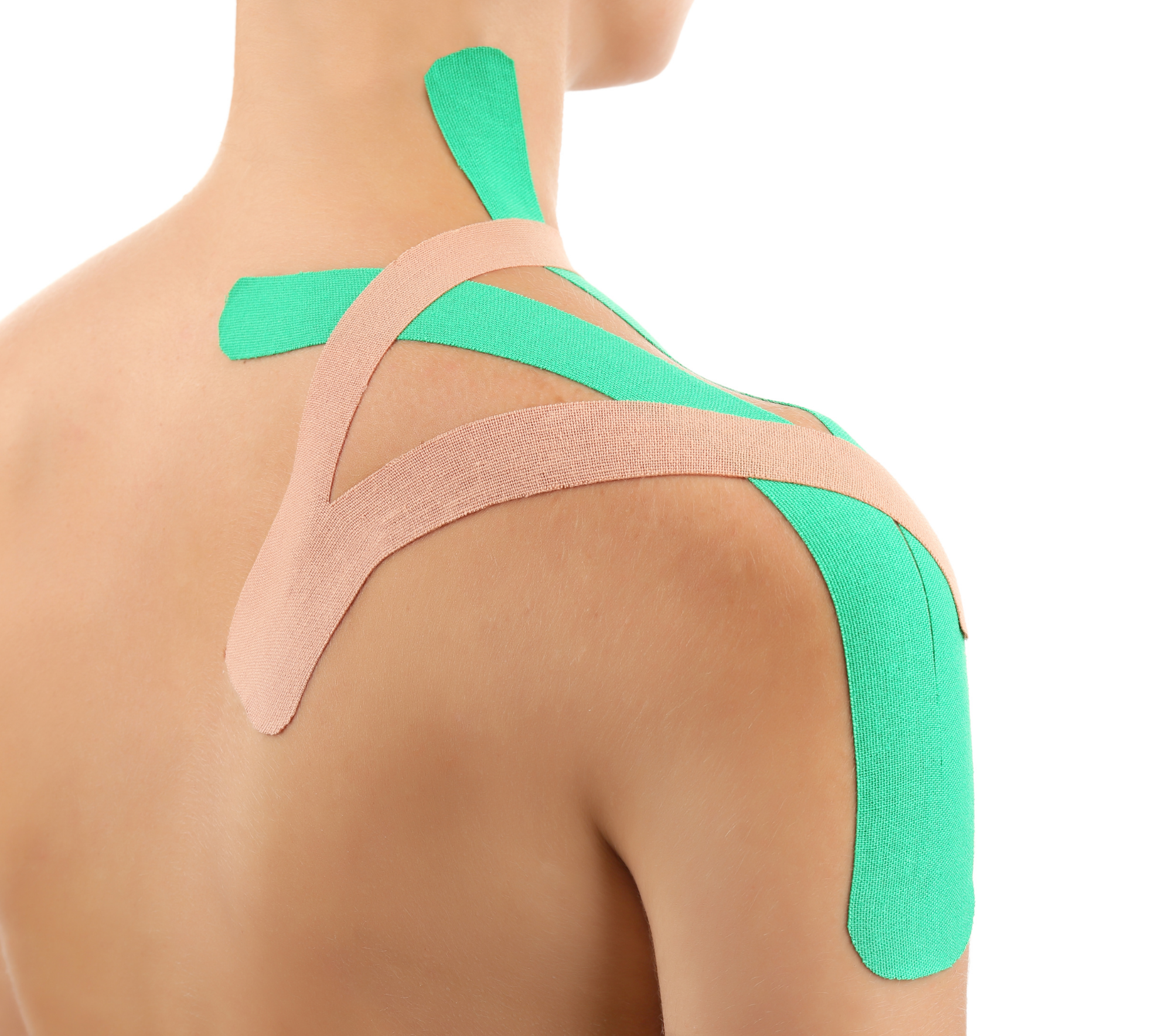
This is where a physio really earns their keep, because the right treatment for a frozen shoulder is almost entirely about matching what we do to the stage you’re in, and that’s easy to get wrong on your own.
When you come in, we first confirm it’s actually a frozen shoulder (several other problems can mimic it) and work out which stage you’re at. From there:
- In the painful freezing stage, the priority is settling pain and protecting movement with gentle range-of-motion work and hands-on techniques, not aggressive stretching. This is the bit people often get wrong at home: pushing hard into a freezing shoulder usually inflames it further, so part of our job is stopping you make it worse.
- In the frozen and thawing stages, as the joint becomes less irritable, we progress you into more stretching and graded strengthening to win back range and rebuild the control you’ve lost.
- Hands-on treatment, joint mobilisation, soft-tissue work, and techniques like dry needling for the tight, guarding muscles around the shoulder and upper back, sits alongside your exercises to ease pain and help you move more freely.
Throughout, the goal is the one that matters most to you: restoring pain-free, useful movement so you can sleep on that side again, reach the top shelf, and get back to swimming, surfing, the gym or just getting dressed without wincing. For our patients around Coogee, Randwick and the Eastern Suburbs, including plenty of desk workers and an active older cohort, that stage-smart approach is what keeps a long condition from feeling endless.
How to prevent a frozen shoulder (and stop it recurring)
There’s no guaranteed way to prevent frozen shoulder, especially when it appears out of the blue, but a few things genuinely lower the risk:
- Keep a recovering shoulder moving. After any shoulder injury, surgery or time in a sling, don’t let the joint sit completely still for weeks. Do the guided movement your health professional gives you. Prolonged immobility is a known trigger.
- Manage the conditions that raise your risk. Keeping diabetes and thyroid problems well managed with your GP is worthwhile for many reasons, this among them.
- Act on early stiffness. Getting a shoulder assessed as it starts to lose movement gives you the best shot at a shorter, more comfortable course.
Frozen shoulder usually affects one shoulder at a time and often doesn’t recur in the same one, though some people go on to develop it in the other shoulder, where the same “keep it moving and act early” advice applies.
When to see a physio (and the red flags to watch for)
It’s worth getting your shoulder assessed if it’s becoming progressively stiffer, aching at night, and limiting everyday movements. The earlier a frozen shoulder is guided well, the better. You don’t need a doctor’s referral to see a physio.
A few features suggest something other than a straightforward frozen shoulder, and are worth flagging promptly to your physio or GP:
- Shoulder pain that started with a significant injury or fall, or that came with obvious weakness. This can point to a different structure, like the rotator cuff.
- Pain with fever, redness, heat or feeling unwell, which needs prompt medical review.
- Any new lump, unexplained weight loss, or chest, neck or arm symptoms that don’t fit a simple shoulder problem.
Frequently asked questions
What causes a frozen shoulder?
The joint capsule becomes inflamed, thickened and tight, restricting movement. Often there’s no clear trigger, but it’s more common with diabetes, thyroid disease, in women aged 40 to 60, and after a period when the shoulder has been kept still (for example after surgery or an injury).
How long does a frozen shoulder last?
Left to run its natural course it often takes 1 to 3 years across the freezing, frozen and thawing stages. Most people regain most or all of their movement, and good stage-appropriate treatment can make the process less painful along the way.
Can a frozen shoulder be cured?
It typically resolves over time, and most people recover well without surgery. Rather than promising a “cure”, treatment aims to reduce your pain, protect and restore your movement, and shorten a naturally long recovery.
How do you fix a frozen shoulder?
Most cases are managed with physiotherapy and exercise matched to your stage, sometimes supported by pain relief, a corticosteroid injection or hydrodilatation. Surgery is a last resort. Forcing movement in the painful stage usually makes things worse. Gentle, guided progression works better.
Is frozen shoulder linked to menopause?
It commonly appears when many women go through menopause, and oestrogen’s role in connective tissue makes a hormonal link plausible and worth researching. The evidence isn’t conclusive, so it’s best seen as one possible factor rather than a proven cause.
The bottom line
A frozen shoulder is a slow, stubborn condition, but a manageable one, and it almost always improves. The two things that make the biggest difference are getting the stage right and not forcing a painful shoulder. Handle those well and you take a lot of the pain, frustration and lost time out of the process.
If your shoulder is stiffening up, aching at night, or just not doing what it used to, book an assessment with our team at Coogee Physio. We’ll confirm what’s going on, work out which stage you’re at, and build a plan to get you moving comfortably again, see how we can help.