


Back pain has a way of taking over. It’s there when you get out of bed, when you sit at your desk, when you bend to pick up the kids or lift a surfboard off the car. And when you go looking for answers online, you get everything from “rest it” to “you need a scan” to a list of 40 stretches.
Here’s the honest version from a Coogee physiotherapy clinic that has been treating backs for more than 30 years. Physio for back pain works best when it does three things: rules out anything serious, works out what’s driving your pain, and gets you moving again with a plan you can actually stick to. This guide covers what that looks like, what the evidence says, when you need a scan (usually you don’t), and how to use Medicare and your health fund to pay for it.
Can a physio help with back pain?
Yes, and for most people a physio is a very good first port of call. You don’t need a doctor’s referral to see a physiotherapist in Australia, so you can book in directly.
A physio’s job with back pain is to:
- Check for warning signs that need a doctor or the emergency department
- Assess how your back moves, what aggravates it and what eases it
- Explain what’s going on in plain English, which matters more than people think
- Build a plan to settle the pain and get you back to normal life, then keep it from coming back
That plan is mostly about movement and graded exercise, with hands-on treatment as a support. More on that below.
First, the reassuring bit
Back pain is incredibly common. Around 4 million Australians, about 1 in 6, were living with back problems in 2022, and back problems are one of the biggest causes of health burden in the country.
The good news is that most back pain isn’t caused by anything serious, and most of it gets better. In studies following people with a new episode of low back pain, pain levels dropped by more than half within about six weeks on average. Healthdirect notes that most acute back pain goes away on its own.
That doesn’t mean you should just wait it out. Getting the right advice early helps you recover faster and lowers the chance of it turning into a long-term problem. But if your back is screaming at you right now, know that the odds are on your side.
Back pain red flags: when to skip the physio and go to the ED
A small number of back pain cases need urgent medical care. Call 000 or go to your nearest emergency department if you have back pain along with any of these:
- Loss of control of your bladder or bowel, or you can’t pass urine
- Numbness around your groin, bottom or inner thighs
- Leg weakness that’s getting worse, or numbness in your legs
- Fever or feeling generally unwell
- Back pain after a significant fall or accident
- Sudden, severe pain, or you can’t walk
- Unexplained weight loss
See your GP soon if you have back pain plus a history of cancer, a weakened immune system, pain that’s worse at night or when lying flat, or you’re over 50 with a new episode of back pain and other health concerns.
Screening for these warning signs is the first thing a good physio does at your initial appointment. If anything doesn’t add up, we’ll refer you on.
What happens at a physio appointment for back pain?

Your first appointment is mostly about understanding your back, not just treating where it hurts. Expect your physio to:
- Take a proper history. When it started, what you were doing, what makes it better or worse, how it’s affecting sleep, work and exercise.
- Screen for red flags and check your nerves (strength, sensation and reflexes in your legs) if pain is spreading down your leg.
- Look at how you move. Bending, twisting, sitting to standing, and any movements that bring on your pain.
- Ask about the bigger picture. Stress, sleep, work demands and your worries about the pain all affect how back pain behaves. Australia’s national standard for low back pain care asks clinicians to look at these, not just the spine.
- Explain what’s going on and agree on a plan with you, including what you can do at home.
Most people walk out with a clearer understanding of their pain, some early relief, and two or three things to do between sessions.
How physiotherapy treats back pain
There’s no single magic treatment for back pain, and anyone who promises one is overselling. What the evidence supports is a combination, built around getting you moving.
| Treatment | What it does | What the evidence says |
| Education and reassurance | Helps you understand your pain, reduces fear of movement | Core part of every major guideline |
| Exercise therapy | Builds strength, control and confidence to move | Small but real benefit for pain in long-term back pain, and a key long-term strategy |
| Pilates-style exercise | Targeted control and strengthening | Helps pain compared to doing little, but no clear evidence it beats other exercise |
| Joint mobilisation and manipulation | Eases stiffness and pain short term | Similar effect to other recommended treatments |
| Soft tissue work and massage | Settles muscle spasm and guarding | Recommended by WHO as one option within a wider plan |
| Dry needling | Targets tight, sensitive spots in muscle | May be a useful add-on to exercise, not a stand-alone fix (the evidence is limited) |
Movement and exercise come first
Healthdirect puts it simply: keeping active is the most effective way of managing everyday (non-specific) back pain. The exercise doesn’t need to be fancy. Walking, gentle mobility work, and gradually building strength through your hips, trunk and legs all count. What matters is that it’s the right dose for where you’re at, and that it progresses.
That’s the part a physio adds. We’ll find a starting point that doesn’t flare you up, then build from there so your back gets stronger and more resilient over time.
Hands-on treatment is the support act
Manual therapy, soft tissue work and dry needling can make a real difference to how your back feels in the short term. That window of relief is valuable because it makes it easier to move and do your exercises. But on their own, they rarely fix the problem. If you’ve had treatment that felt great on the day and then the pain came straight back, this is usually why. (Our post on remedial vs deep tissue massage goes into when hands-on work is enough and when it isn’t.)
What isn’t recommended
The World Health Organization’s guideline on long-term low back pain advises against routine use of things like back braces and belts, traction, and opioid painkillers. And as Healthdirect points out, long periods of bed rest tend to make things worse.
Do you need a scan for back pain?
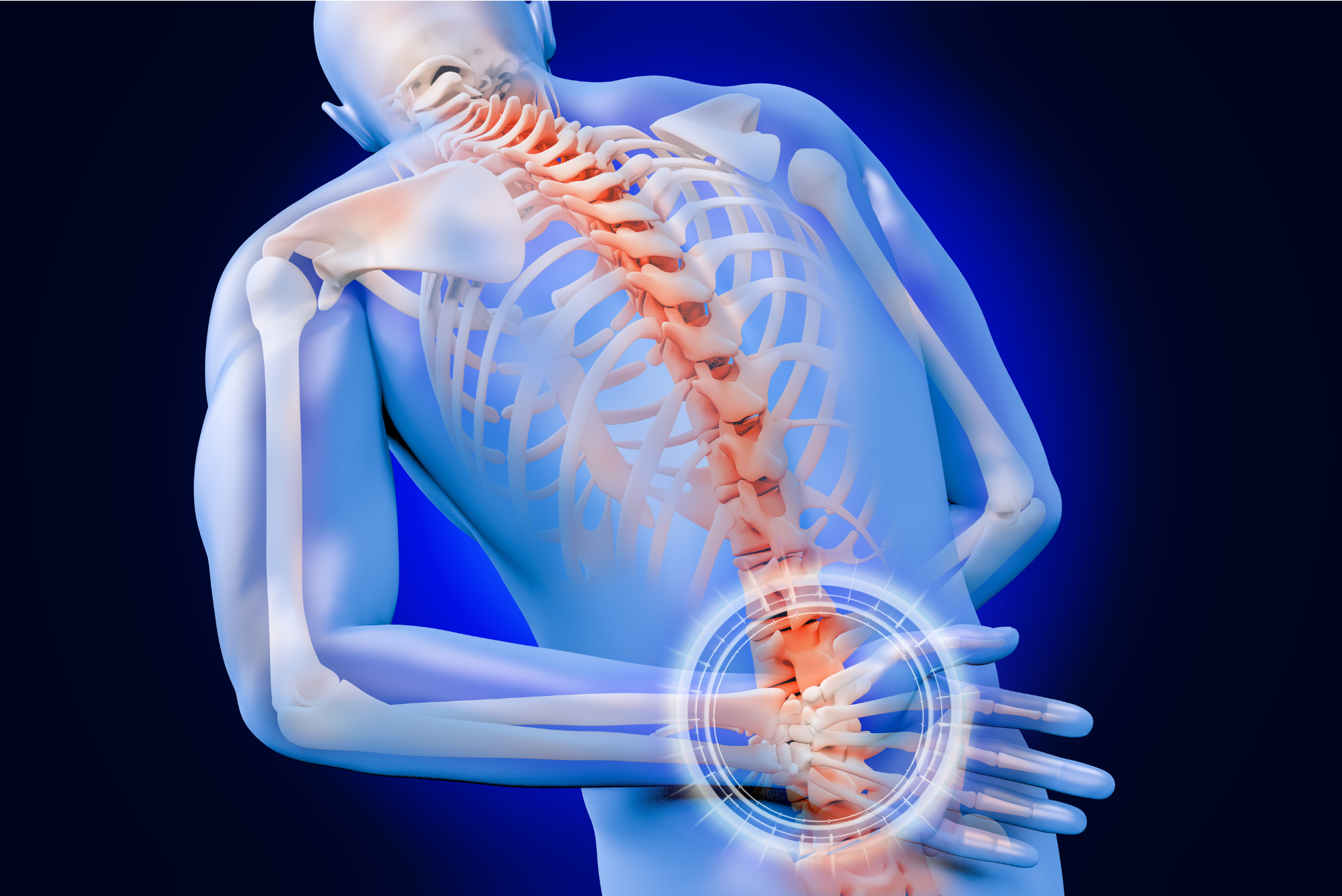
Usually, no. This surprises a lot of people, but Australia’s national care standard for low back pain says imaging should be kept for when a serious cause is suspected.
Here’s why. Scans of adults without any back pain regularly show things like disc bulges and wear and tear, because those changes are a normal part of ageing. So a scan often finds something that isn’t actually the cause of your pain, which can make people more worried and less likely to move. That tends to make back pain worse, not better.
If a scan is needed, your physio can refer you directly for an X-ray (some lower back X-rays attract a Medicare rebate) or an MRI. For an MRI of the lower back, a physio or GP referral costs the same, but there’s no Medicare rebate. To get the rebate you need a referral from a specialist, which means paying for that specialist consult as well. For many people, it ends up quicker and simpler to have the MRI referred by your physio or GP.
Rest or keep moving?
Keep moving, within reason. Healthdirect notes that rest can make back pain worse. That doesn’t mean pushing through sharp pain. It means staying as active as you comfortably can: short walks, changing position often, and easing back into your normal activities as the pain allows.
A useful rule of thumb: some discomfort while you move is OK, as long as it settles within a few hours and isn’t worse the next morning.
How to sleep and sit with lower back pain

Small changes here make a big difference:
- Sleeping on your side: put a pillow between your knees to keep your hips and spine level.
- Sleeping on your back: put a pillow under your knees to take pressure off your lower back.
- Sitting: the best posture is your next posture. Get up and move every 30 to 45 minutes, even just to walk to the kitchen. If you work from a desk, a quick lap around the block at lunch does more than a perfect chair.
Try a few positions and go with what feels best. There’s no single “right” way.
Back pain in Coogee: the usual suspects

Every area has its own patterns, and around here we see a lot of the same triggers:
- Desk workers who sit for long stretches, then try to make up for it on the weekend
- Surfers paddling for hours with their back arched, then lifting boards on and off the car
- Tradies lifting, bending and twisting all day (we’ve written a whole post on physio for tradies)
- Weekend warriors doing a big gym session, a garden makeover or a house move after a quiet week
- Walkers and runners tackling the coastal walk stairs, which can aggravate an already irritable back
None of these are “bad” for your back. Backs are built to move and lift. The issue is usually a sudden jump in load that your body wasn’t ready for. That’s something a good plan can fix.
How much does physio for back pain cost? Medicare and health funds
This is one of the most common questions we get, and most ranking articles skip it, so here’s the rundown:
- No referral needed. You can book directly with a physio.
- Private health insurance. If you have extras cover that includes physiotherapy, you can usually claim part of each session. Check your policy for limits.
- If your back pain is long-term (chronic) and your GP agrees you’re eligible, they can set you up with a GP Chronic Condition Management Plan. This gives you a Medicare rebate on up to 5 allied health sessions per calendar year, which can include physio. The current Medicare rebate for a physio session under the plan is $63.40. This plan replaced the old GP Management Plan and Team Care Arrangement system from 1 July 2025.
- Work injury, car accident or DVA. We treat patients under WorkCover, CTP and DVA arrangements.
If you’re not sure what you’re eligible for, give us a call and we’ll talk you through it.
When to see a physio for back pain
Book an assessment if:
- Your back pain hasn’t started improving after a week or two
- It keeps coming back
- Pain is spreading into your buttock or leg
- It’s affecting your sleep, work or exercise
- You’re not sure what’s safe to do and what to avoid
And remember, if you have any of the red flags above, see a doctor or go to the ED first.
Frequently asked questions
Is physio covered by Medicare? Only in some cases. If you have a long-term condition and your GP sets you up with a GP Chronic Condition Management Plan, you can get a Medicare rebate on up to 5 allied health sessions a year. Otherwise, physio is usually paid privately, and you can claim through your health fund’s extras cover.
Can a physio refer you for an MRI? Yes. A physio can refer you for an MRI of the lower back, and it costs the same as a GP referral. There’s no Medicare rebate either way, though. The rebate is only available with a specialist referral, and then you pay for the specialist consult too, so a physio or GP referral is often the quicker and simpler option. Most people with back pain don’t need a scan at all.
How many physio sessions do I need for back pain? It depends on how long you’ve had it and what’s driving it. Many people with a recent flare notice a real change within the first few sessions. Longer-standing back pain usually needs a structured exercise program over several weeks. Your physio should give you a clear plan and review it regularly.
Should I rest my back or keep moving? Keep moving as much as you comfortably can. Long periods of rest tend to make back pain worse. Short walks and gentle movement are a good place to start.
Should I see a physio or a chiro for back pain? Both can help, and the evidence for hands-on treatment is similar either way. The difference is usually in the approach. Physiotherapy puts more emphasis on exercise and building long-term strength and confidence. (Link to the physio vs chiro post once it’s published.)
Do I need a referral to see a physio? No, you can book directly. You’ll need a GP referral if you want to use a Medicare chronic condition plan or if you’re being treated under DVA, and WorkCover or CTP claims have their own paperwork. We can talk you through it.
The bottom line
Most back pain gets better, and the best thing you can do is stay active and get the right advice early. A physio will rule out anything serious, explain what’s going on, and give you a plan that addresses the cause, not just the symptom.
If your back’s been bothering you and you’re anywhere around Coogee, Randwick, Clovelly, Maroubra or the Eastern Beaches, book an assessment with the Coogee Physio team. We’ll get you moving again.
Written by Nadine Judelman, physiotherapist and clinic owner, Coogee Physio. This article is general information, not a diagnosis. For advice about your situation, book an assessment or speak with your GP. If you have any red flag symptoms, call 000 or go to your nearest emergency department.
References
- Australian Institute of Health and Welfare, Back problems. https://www.aihw.gov.au/reports/chronic-musculoskeletal-conditions/back-problems
- Healthdirect Australia, Back pain. https://www.healthdirect.gov.au/back-pain
- Healthdirect Australia, Physiotherapy. https://www.healthdirect.gov.au/physiotherapy
- Menezes Costa L, et al. The prognosis of acute and persistent low-back pain: a meta-analysis. CMAJ 2012. https://pmc.ncbi.nlm.nih.gov/articles/PMC3414626/
- NSW Agency for Clinical Innovation, Red flags for low back pain. https://aci.health.nsw.gov.au/__data/assets/pdf_file/0003/212889/ACI-Pain-red-flags-low-back-pain.pdf
- Australian Commission on Safety and Quality in Health Care, Low Back Pain Clinical Care Standard. https://www.safetyandquality.gov.au/standards/clinical-care-standards/low-back-pain-clinical-care-standard
- World Health Organization, WHO releases guidelines on chronic low back pain (2023). https://www.who.int/news/item/07-12-2023-who-releases-guidelines-on-chronic-low-back-pain
- Hayden JA, et al. Exercise therapy for chronic low back pain. Cochrane Database of Systematic Reviews 2021. https://www.cochranelibrary.com/cdsr/doi/10.1002/14651858.CD009790.pub2/information
- Yamato TP, et al. Pilates for low back pain (Cochrane review summary). American Family Physician 2016. https://www.aafp.org/afp/2016/0401/p556
- Rubinstein SM, et al. Spinal manipulative therapy for chronic low back pain. BMJ 2019 (PEDro summary). https://pedro.org.au/english/systematic-review-found-that-spinal-manipulative-therapy-for-chronic-low-back-pain-produces-similar-effects-to-therapies-recommended-by-clinical-guidelines/
- Furlan AD, et al. Acupuncture and dry-needling for low back pain. Cochrane Database of Systematic Reviews 2005. https://www.cochrane.org/evidence/CD001351_acupuncture-and-dry-needling-low-back-pain
- Services Australia, Allied health referrals for chronic condition management plans. https://www.servicesaustralia.gov.au/allied-health-referrals-for-chronic-disease-health-care-plans
- MBS Online, Item 10960. https://www9.health.gov.au/mbs/search.cfm?q=10960
- Queensland X-Ray, Medicare eligibility for physiotherapist, chiropractor and osteopath referrals. https://www.qldxray.com.au/media/douht1q5/physio-chiro-osteo-medicare-eligibility_eos-update.pdf
- HealthLinkBC, Sleeping positions that reduce back pain. https://www.healthlinkbc.ca/healthwise/sleeping-back-pain